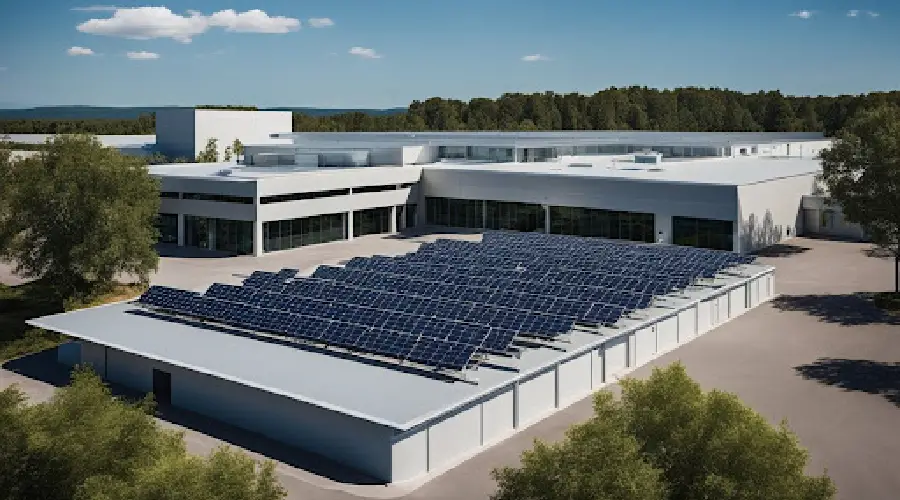
Maintaining the roof of your commercial building is essential for its longevity and overall integrity. Regular commercial roof maintenance in Windham in can prevent costly repairs and ensure safety for occupants. From inspections to prompt repairs, addressing issues early can extend the life of your roof and protect your investment.
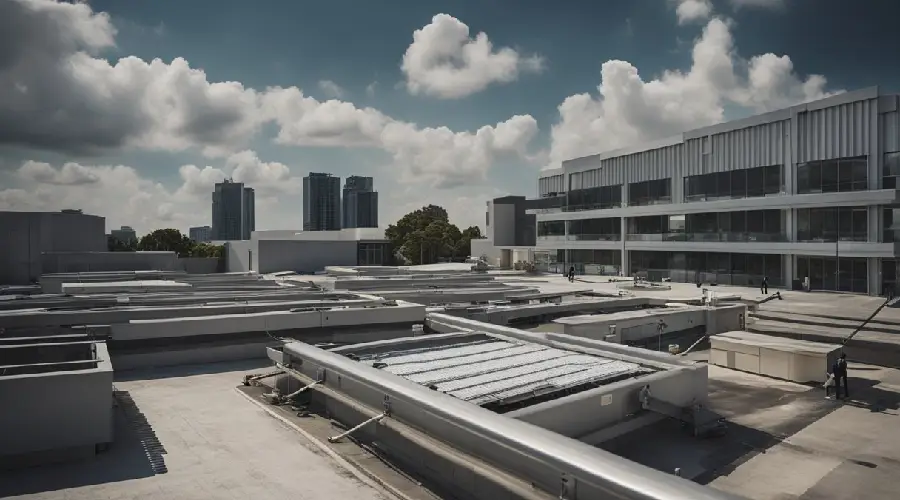
Ignoring roof maintenance can lead to significant problems such as leaks, structural damage, and energy inefficiency. Investing time and resources into routine care not only safeguards your property but also enhances your building’s value. Ensuring your roof is in optimal condition contributes to a healthier work environment.
Navigating the complexities of commercial roof maintenance in Windham may seem daunting, but understanding the basic requirements and benefits can simplify the process. By staying proactive and informed, you can develop a reliable maintenance plan that suits the specific needs of your commercial structure.
Importance of Regular Commercial Roof Maintenance in Windham
From maintenance to replacement, Commercial Roof Masters specializes in all commercial roofing services. Get your free consultation today! Call +1 (207) 367-3397
Regular roof maintenance is essential for the longevity and performance of your commercial building’s roof. By addressing potential issues early, you can avoid significant damage and costly repairs.
Extending Roof Lifespan
Routine inspections and commercial roof maintenance in Windham can significantly extend the lifespan of your roof. Regular checks allow you to identify minor problems, such as cracks or leaks, before they become major concerns.
Making timely repairs can prevent premature degradation of materials. This proactive approach not only conserves resources but also avoids the expense of a full roof replacement.
Investing in maintenance is a cost-effective strategy that pays off in the long term.
Preventing Water Damage
Water damage can lead to serious structural issues. Regular commercial roof maintenance in Windham helps you identify potential leaks that could allow water to penetrate and cause mold and rot.
Clearing gutters and drains is crucial to ensure proper water flow. Clogged gutters can lead to overflow, resulting in water pooling on your roof.
By maintaining a watertight seal, you protect your building’s integrity and avoid expensive repairs and potential health risks to occupants caused by mold.
Ensuring Energy Efficiency
A well-maintained roof contributes to the energy efficiency of your commercial building. Issues like insulation gaps or damaged roofing materials can lead to significant heat loss during winter months and excess heat gain in summer.
Regular inspections can help you assess insulation effectiveness. By resolving these issues, you reduce energy costs and create a more comfortable environment for building occupants.
Maintaining your roof not only secures its structural integrity but also positively impacts your bottom line through reduced energy consumption.
Common Roofing Materials for Commercial Buildings
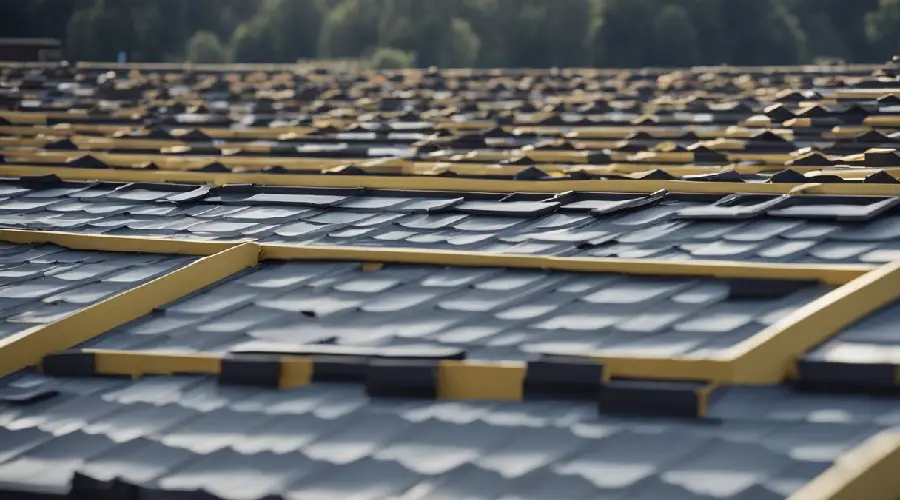
Choosing the right roofing material for commercial buildings is crucial for durability, cost-effectiveness, and maintenance. Various options are available, each with distinct properties that cater to specific needs.
Modified Bitumen Roofing
Modified bitumen roofing consists of asphalt reinforced with fiberglass or polyester. This material offers durability and flexibility, making it ideal for low-slope roofs.
Installation can be done through techniques such as torch-down or peel-and-stick methods, ensuring a secure fit. Modified bitumen is resistant to UV rays and thermal cycling, which helps prolong its lifespan.
Commercial roof maintenance in Windham is relatively straightforward. Regular inspections can identify repairs early, preventing expensive issues. This roofing type is also cost-effective, making it popular among many commercial property owners.
Metal Roofing
Metal roofing is recognized for its longevity and sustainability. Common materials include steel, aluminum, and copper, each providing distinct advantages.
It can last 40-70 years with minimal maintenance, significantly reducing long-term costs. Metal roofs are resistant to severe weather conditions, including hail and high winds.
They can be installed in various profiles, such as standing seam or corrugated panels, for enhanced performance. Additionally, these roofs are energy efficient, reflecting solar heat and reducing utility costs for commercial buildings.
Single-Ply Membranes
Single-ply membranes involve flexible sheets of synthetic materials, commonly PVC, TPO, or EPDM. They are an excellent choice for low-slope roofs due to their lightweight and easy installation.
Installation methods can include mechanically attaching, ballasting, or adhering the sheets, providing versatility based on specific requirements. Each type has unique properties; for instance, TPO is known for its energy efficiency, while EPDM excels in durability.
Regular inspections can help maintain integrity and performance. Single-ply membranes are often recognized for their affordability, making them favorable for budget-conscious projects.
Built-Up Roofing
Built-up roofing (BUR) consists of multiple layers of bitumen and reinforcing materials, such as fiberglass or organic felt. This traditional roofing method creates a durable and waterproof system ideal for flat or low-slope roofs.
The layers are typically applied with alternating layers of hot asphalt and ballast, offering excellent weather resistance. BUR systems are particularly beneficial for their excellent UV resistance and ability to withstand foot traffic.
Routine maintenance, including inspections and debris clearance, can enhance its lifespan. Built-up roofing is also environmentally friendly, as it can be installed with reflective coatings for better energy efficiency.
Inspection and Maintenance Schedule
Establishing a clear inspection and schedule for commercial roof maintenance in Windham is essential for the longevity and safety of your building’s roof. Regular assessments can prevent costly repairs and enhance the overall performance of the roof.
Routine Inspection Checklist
A routine inspection checklist will ensure you cover all critical areas of the roof. Here are key elements to include:
- Visual Inspection: Look for visible signs of damage such as cracks, missing shingles, or rusted metal.
- Debris Removal: Check and remove leaves, branches, and litter that could trap moisture and lead to deterioration.
- Flashings: Inspect metal flashings around vents, chimneys, and seams to ensure they are secure and not rusted.
- Gutters and Downspouts: Ensure gutters are clear and functioning properly to facilitate water drainage.
- Interior Inspection: Look for water stains, mold, or any structural issues inside the building that may indicate a roof problem.
Conducting these inspections at least twice a year is advisable, ideally in the spring and fall.
Professional Inspection Frequency
While routine inspections are vital, enlisting professional inspection services enhances the thoroughness of assessments. Aim for professional inspections at least once a year.
- After Severe Weather: Schedule an inspection following significant storms or extreme weather conditions.
- Warranties: If your roofing material comes with a warranty, you might be required to have regular professional inspections to maintain coverage.
- Specialized Checks: Professional inspectors can conduct specialized tests, such as infrared scans, to identify leaks not visible during routine checks.
Investing in professional assessments can help identify underlying issues before they escalate into major repairs.
Addressing Common Roof Issues
Regular commercial roof maintenance in Windham is essential for prolonging the lifespan of your roof. Being aware of potential issues and how to address them will help you maintain a secure environment for your commercial building.
Leak Repairs
Roof leaks are among the most common issues you may encounter. Detecting leaks early is crucial to prevent extensive water damage. Signs of a leak include water stains on ceilings, damp insulation, or mold growth.
To repair a leak, locate the source first. Inspect the roof for damaged or missing shingles, punctures, or loose seams. Once identified, you can:
- Clean the area around the leak.
- Apply a patching material or sealant.
- Replace damaged roofing materials if necessary.
Always evaluate if professional help is needed, especially for extensive damage.
Drainage System Maintenance
Proper drainage is vital for your roof’s health. Blocked gutters or downspouts can lead to water pooling, which may cause leaks and structural damage over time.
Begin by inspecting your drainage system regularly, especially after heavy rains. Clear any debris such as leaves or dirt. Make sure:
- Gutters are properly sloped.
- Downspouts direct water away from the building’s foundation.
Using a drainage mesh can also help prevent clogs. Schedule routine cleanings, particularly in the fall and spring, to ensure smooth water flow.
Surface Erosion and Blistering
Surface erosion can occur due to weather exposure, leading to potential leaks or compromised roof integrity. Blistering, characterized by bubbles or raised areas, can indicate trapped moisture.
Address surface issues by inspecting for:
- Wear and tear in the roofing material.
- Cracks or blisters that need immediate attention.
To repair, remove any damaged sections and replace them with suitable materials. Applying a reflective coating can also enhance durability and reduce roof temperature. Regular inspections will help identify issues before they escalate.
Best Practices for Commercial Roof Maintenance in Windham
Effective commercial roof maintenance in Windham involves regular debris removal and proactive measures to prevent damage. Following these best practices will help extend the life of your commercial building’s roof.
Debris Removal and Cleaning
Regularly removing debris from your roof is essential. Leaves, branches, and dirt can trap moisture, leading to mold growth and deterioration. Schedule a cleaning at least twice a year, preferably in spring and fall.
Utilize a soft-bristle broom or a leaf blower for debris removal. Avoid power washing, as it can damage membrane roofs or other materials. Always assess for signs of damage while cleaning. Look for cracked seals, rust, or loose shingles.
Make a list of areas that require special attention, like valleys and drains. Keep gutters clear to ensure water flows properly, preventing backups that can harm the roof structure.
Proactive Damage Prevention
Taking proactive measures can save you from costly repairs. Conduct regular inspections, ideally twice a year and after severe weather events. Look for issues like standing water, which can indicate drainage problems.
Invest in professional inspections for a more thorough assessment. Professionals can identify hidden issues you may overlook, such as weak points in the roof structure or areas prone to leaks.
Consider applying a protective coating to limit wear from UV rays and harsh weather. This can enhance durability and increase energy efficiency in your building. Document all maintenance actions to track patterns that may signal underlying issues.